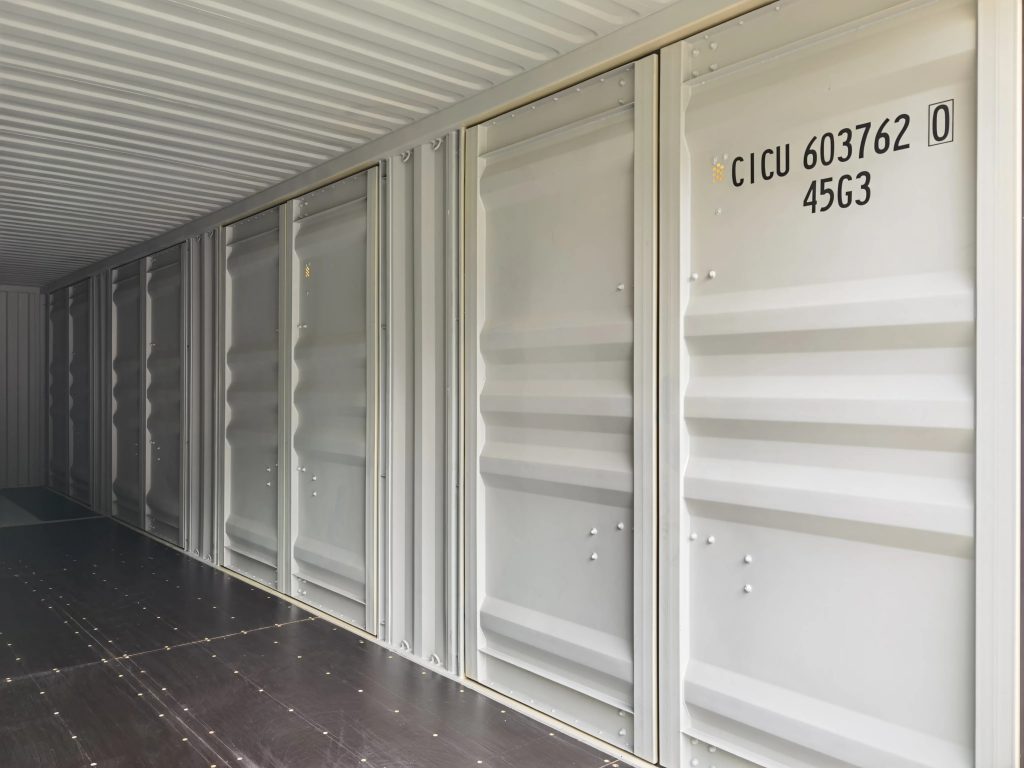
Shipping Containers: An Overview of Their Versatility and Uses
Shipping containers have actually transformed the method goods are transferred around the world. Beyond their main function of shipping cargo, they have actually found applications in numerous industries, showing to be not just a way of transportation however likewise a flexible building material. This post will check out the different uses of shipping containers, the advantages they offer, and address often asked questions about them.
A Brief History of Shipping Containers
The idea of standardized shipping containers was presented in the 1950s by Malcolm McLean, a trucker who understood the inadequacies of loading and discharging cargo by hand. He developed the intermodal shipping container, allowing items to be transported flawlessly in between trucks, ships, and rail systems. This innovation not only accelerated shipping times however likewise considerably minimized expenses related to cargo handling.
Types of Shipping Containers
Shipping containers come in various types and sizes. The standard container size is 20 feet and 40 feet in length, but they can differ based on their purpose.
| Type | Dimensions (ft) | Typical Use |
|---|---|---|
| Standard Container | 20' x 8' x 8.5' | General cargo transport |
| High Cube Container | 40' x 8' x 9.5' | Goods requiring additional vertical area |
| Refrigerated Container | 40' x 8' x 9.5' | Perishable goods transport |
| Open Top Container | 20' or 40' | Cargo that requires to be filled from above |
| Flat Rack Container | Various | Over-sized products that can not fit inside basic containers |
| Tank Container | 20' | Liquids transport |
Table 1: Types and Uses of Shipping Containers
The Versatility of Shipping Containers
Shipping containers can be repurposed for a myriad of applications beyond their initial use. Here are some common innovative usages:
1. Residential Housing
- Shipping containers can be transformed into budget-friendly, sustainable real estate.
- Their modular nature permits flexible styles and designs.
2. Offices and Workspaces
- Numerous companies go with shipping containers as short-term or long-term office areas.
- Containers are quickly transportable and can be personalized with windows, insulation, and electrical power.
3. Retail Spaces
- Innovative businesses have actually utilized shipping containers as pop-up shops, coffee shops, and stores, developing stylish and unique shopping experiences.
4. Storage Solutions
- Their toughness makes shipping containers exceptional storage systems. They can be used for both individual and commercial storage requirements.
5. Farming and Agriculture
- Shipping containers are progressively being used for vertical farming, hydroponics, and even beekeeping, supplying a controlled environment for farming.
6. Neighborhood Projects
- Containers can be repurposed as recreation center, shelters, and academic areas, making them important possessions for non-profit organizations.
7. Catastrophe Relief
- Shipping containers can be quickly deployed as temporary shelters and storage after natural disasters, providing immediate help to affected communities.
8. Art Installations
- Artists have actually utilized the structure of shipping containers to create interesting art installations and galleries, often focusing on styles of mobility and globalization.
Table 2: Innovative Uses of Shipping Containers
| Use | Description |
|---|---|
| Residential Housing | Cost effective, modular homes |
| Offices | Customizable workspaces |
| Retail Spaces | Imaginative pop-up stores and cafes |
| Storage Solutions | Long lasting and safe storage systems |
| Farming and Agriculture | Controlled environments for crops |
| Neighborhood Projects | Centers for education and outreach |
| Catastrophe Relief | Momentary shelters for affected neighborhoods |
| Art Installations | Engaging public art experiences |
Benefits of Shipping Containers
Shipping containers offer several advantages that make them a favored option for various markets.
- Cost-efficient: Compared to traditional building materials, shipping containers can conserve significant money, particularly for building tasks.
- Resilience: Made from weather-resistant steel, containers are developed to withstand extreme conditions, making them a dependable alternative for long-lasting usage.
- Portability: Their design permits easy transportation through trucks, ships, and railways, contributing to their useful allure.
- Eco-Friendly: Repurposing containers for brand-new uses adds to sustainability by lowering waste and the requirement for brand-new products.
- Modification: Shipping containers can be quickly modified to fit numerous needs, whether for residential, business, or artistic applications.
Frequently Asked Questions (FAQ)
1. How much do shipping containers cost?
The cost of shipping containers varies based on condition, size, and location. Generally, a used 20-foot container can range from ₤ 1,500 to ₤ 3,000, while brand-new containers can cost considerably more.
2. Do shipping containers require permits for conversion?
Yes, most city governments need permits for transforming shipping containers into habitable or industrial spaces. It's vital to inspect regional policies before beginning any job.
3. Are shipping containers insulated?
A lot of shipping containers are not insulated, however they can be retrofitted with insulation materials if they are to be used for living or office to ensure climate control.
4. For how long do shipping containers last?
With appropriate maintenance, shipping containers can last for 25 years or more, depending upon their usage and ecological conditions.
5. Can you stack shipping containers?
Yes, shipping containers are designed to be stackable. When used for 45' Container or storage, they can be stacked to maximize area.
Shipping containers are not simply a method of transportation; they are a cornerstone of modern logistical and architectural innovations. From inexpensive real estate to unique retail experiences, their flexibility is unmatched. Understanding the potential of shipping containers can inspire imagination and sustainability, making them a significant consideration for future tasks. Whether for personal use, industrial applications, or community efforts, the opportunities provided by shipping containers are as large as the oceans they traverse.